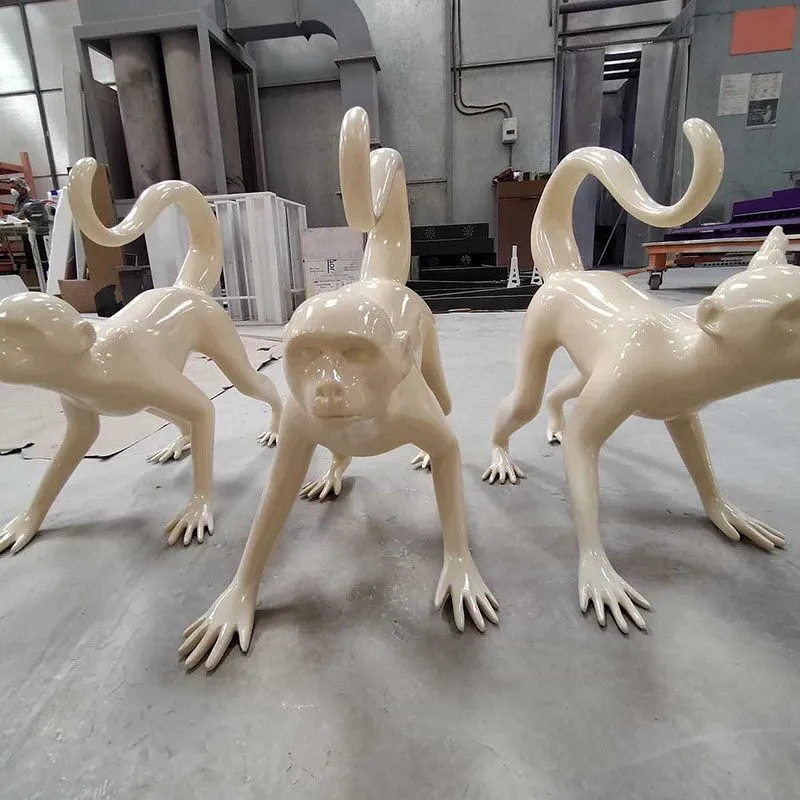
Large printed models reveal their real character after fabrication ends. Rough layers, visible seams, and uneven surfaces can distract viewers, even when the original digital design looks impressive.
Finishing work gives each piece a refined appearance and prepares it for display, painting, installation, or professional presentation work. Contemporary finishing workflows now use practical 3d printing Saudi methods across large projects today.
Surface sanding and smoothing
Sanding reduces layer lines and surface marks after printing. Technicians begin with coarse abrasive material and move toward finer grades. Large models require steady pressure across broad sections so surfaces stay even. Orbital sanders suit broad areas, while hand sanding handles curves and tight details.
Filling seams and imperfections
Large models may show joints, gaps, pinholes, or dents after assembly. Surface fillers level these areas before coating. Technicians apply thin layers, allow curing, and then sand until each repair blends with surrounding surfaces. This method suits models assembled through multiple printed sections.
Priming the surface
Primer prepares a model before paint or decorative coatings while revealing small flaws. Technicians spray or brush primer across the model, allow it to dry, then inspect the surface under suitable lighting. A second sanding pass produces an even base that supports cleaner results.
Painting and color finishing
Paint gives a large model its visual identity and matches an artistic or commercial concept. Acrylic paints, automotive coatings, and specialist finishes suit different materials. Technicians apply thin coats instead of one heavy layer. Masking produces sharp boundaries, patterns, lettering, and contrasting sections.
Polishing and protective coatings
Some printed materials benefit through polishing. Technicians use suitable compounds and tools to produce a smoother surface with a subtle sheen. Protective clear coats add durability and help defend the model against moisture, dust, scratches, and routine handling. The coating should match the material and intended location.
Assembly and final inspection
Large models require precise assembly after individual sections receive finishing treatment. Technicians align connection points, secure joints, inspect edges, and check surfaces under different viewing angles. They also confirm consistent color and texture across sections. Final inspection catches small flaws before display.
The ideal technique varies according to material, size, surface detail, and intended use. A museum sculpture may require refined hand finishing, while an industrial prototype may prioritize durability and functional accuracy. Combining sanding, filling, priming, painting, and protective coating gives large scale models a polished appearance while preserving digital detail.